

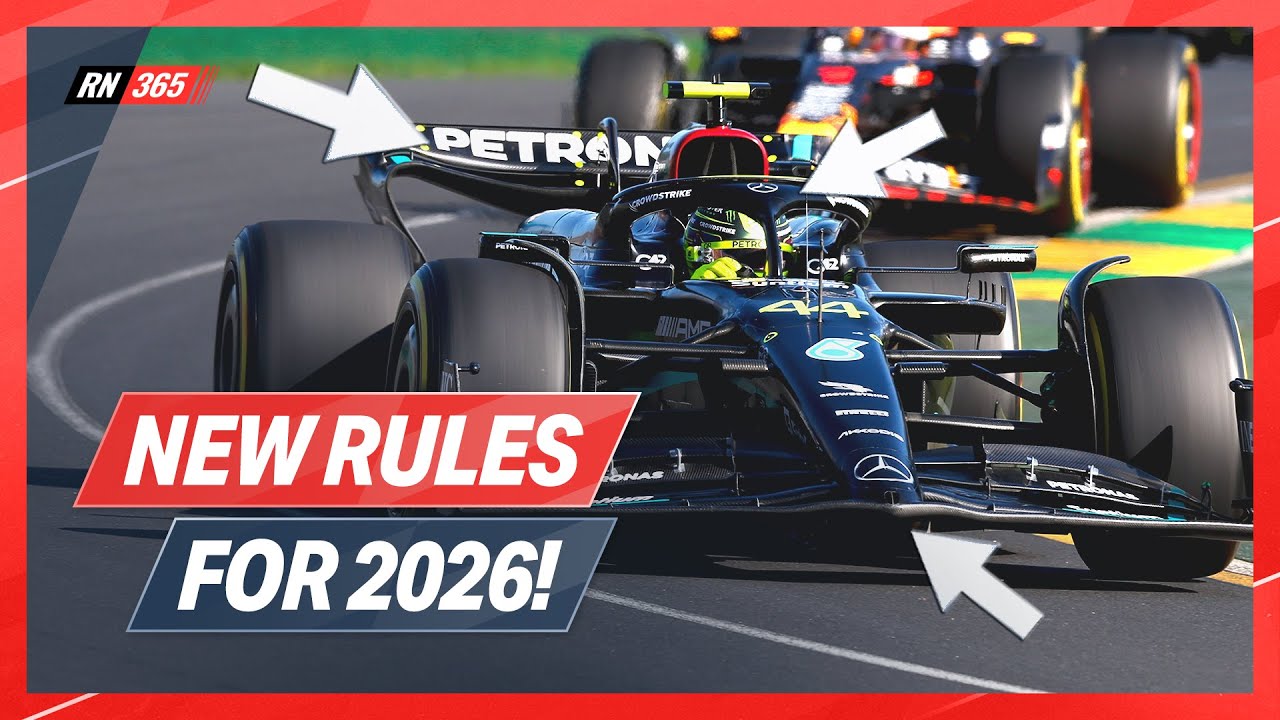
The dawn of the 2026 Formula 1 season heralds not only a massive technical shift but also a fundamental change in the lexicon of racing. After years of relying on terms often shrouded in technical mystique, the sport, in coordination with the FIA and engineering teams, is adopting a new shared language. The purpose is unambiguous: to remove jargon, clarify the action, and, most importantly, emphasize that the driver is firmly back in control of the machine. The era of passive, automatic overtaking aids is concluding; the age of active, strategic deployment has begun.
The Driver`s New Tactical Toolkit: Defining the Power Terms
The centerpiece of the 2026 regulation changes is the revised power unit architecture, which demands complex energy management. This change directly translates into new, action-oriented terminology that spectators will hear constantly during race broadcasts.
1. Overtake Mode: The Strategic Replacement for DRS
For over a decade, the Drag Reduction System (DRS) served as Formula 1’s primary overtaking tool—a simple, binary activation in predefined zones. Overtake Mode (previously referred to as Manual Override) shatters this simplicity.
- What it is: A deployable extra power boost drawn from the hybrid system, granted when a driver is within one second of the car ahead.
- How it works: Unlike DRS, which was confined to fixed zones, Overtake Mode is a finite, strategic resource available across the entire lap. The driver must decide precisely when to deploy this supplemental energy for maximum effect, injecting a crucial layer of tactical depth back into wheel-to-wheel combat.
- Why it matters: Overtaking ceases to be a guaranteed consequence of hitting a detection line. It becomes a matter of driver skill, timing, and conservation.
2. Boost Mode: Raw Power on Demand
If Overtake Mode is the strategic scalpel, Boost Mode is the blunt instrument for immediate acceleration.
- What it is: A maximum combined output of power instantly accessible from both the internal combustion engine (ICE) and the Energy Recovery System (ERS).
- How it works: Activated via a dedicated button, Boost Mode provides the highest immediate performance available at any point on the circuit. This tool can be employed aggressively to launch an attack out of a corner or defensively to fend off a trailing car on a straight.
- Why it matters: This is pure, unadulterated driver involvement. The availability and use of Boost Mode will be a defining factor in mid-race duels, requiring immediate cognitive reaction rather than automated deployment.
3. Active Aero: Adaptive Aerodynamic Efficiency
The new aerodynamic regulations are inherently dynamic, allowing the cars to manage downforce and drag on the fly, a necessary evolution given the massive reduction in ground effects.
- What it is: The ability to dynamically adjust the angle and position of both the front and rear wing elements during a lap.
-
How it works: Wings switch between two primary configurations:
- Corner Mode (High Downforce): Maximizes grip and stability through technical sections.
- Straight Mode (Low Drag): Minimizes air resistance to maximize speed on high-speed sections, essential for effective overtaking.
- Why it matters: This adaptability replaces the fixed, compromise setups of previous generations. Drivers must manage this shift, optimizing their car’s profile lap after lap to balance grip versus straight-line velocity.
4. Recharge: Visible Energy Management
With an increased reliance on hybrid power, energy recovery is no longer a hidden process—it is a critical, visible strategic element.
- What it is: The process by which the energy storage (battery) is replenished during a racing lap.
- How it works: Recovery mechanisms are expanded beyond traditional braking zones. Drivers must utilize strategic throttle lift-off at the end of straights and even slight partial power application through corners to harvest kinetic energy efficiently.
- Why it matters: Energy state dictates the availability of Overtake and Boost Modes. The fastest drivers will be those who can recover the maximum amount of energy while losing the minimum amount of time—a delicate and highly visible form of racecraft.
The Mechanical Reset: Smaller, Lighter, More Challenging
This new terminology is predicated on a radical physical change to the cars themselves. The 2026 regulations seek to reverse the trend of increasingly large and heavy machinery, prioritizing agility and demanding more from the pilots.
A Return to Nimble Design
The new cars will be noticeably smaller and lighter. The minimum weight drops by 30kg, setting the new standard at 770kg. Wheelbases are reduced by 200mm and overall width shrinks by 100mm. The intent here is clear: to make the cars more challenging to drive at the limit, returning greater performance dependence to raw driver skill—a concept the technical world sometimes refers to as `uncomfortable efficiency.`
The Aerodynamic Paradox
In a major philosophical shift, ground-effect tunnels—the channels responsible for «sucking» the current generation of cars to the track—are significantly curtailed. This results in a massive reduction of overall downforce (estimated at 15–30%). Simultaneously, total drag is cut by a substantial 40%. This paradoxical combination is engineered to allow cars to follow one another more closely without being unduly affected by turbulent air, while maintaining spectacular straight-line speeds thanks to the active aero systems.
Slimmer Tyres for Reduced Drag
While the aesthetic 18-inch wheels remain, the tires themselves are narrowing: 25mm less at the front and 30mm less at the rear. This slight slimming contributes to the overall reduction in drag and reduces unsprung weight, further aiding the design goal of a lighter, more agile machine.
Conclusion: The Strategy Game Intensifies
The 2026 Formula 1 regulations are more than a simple rules refresh; they represent a fundamental commitment to strategic racing and driver empowerment. By introducing clear, actionable terms like Overtake Mode and Boost Mode, the sport is making the complex tactical dance of energy deployment visible and understandable to the global audience. The focus is shifting from simply having the fastest car to the driver who can manage resources, deploy power strategically, and master the new, lighter machinery. If the technical goal was to increase the racing spectacle, then the new language ensures we know exactly what we are watching.
 Torin Vale