

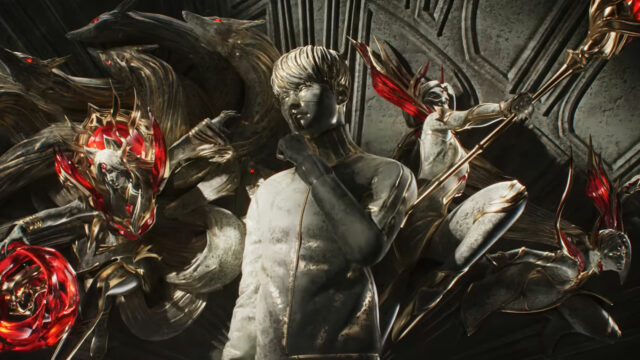
The convergence of high-tier professional esports and global fast-food chains is no longer a novel concept; it is a calculated marketing strategy. However, when the figurehead is **Lee `Faker` Sang-hyeok**, the dynamic shifts from a mere sponsorship to a cultural event. The legendary mid-laner for T1, known universally as the `Unkillable Demon King,` has taken his immense celebrity status from the confines of the LCK arena directly to the counter of McDonald`s Korea.
This partnership is not centered around launching a signature esports meal—at least, not in the traditional sense. Instead, Faker is the key promoter for the limited-time return of the **Lucky Burger**, an established menu item in South Korea tied directly to charitable giving.
The Lucky Burger: Fame Meets Philanthropy
The essence of this collaboration is its philanthropic core. The Lucky Burger, returning to Korean McDonald’s menus on December 26th, 2025, is more than just a seasonal item. A portion of the proceeds from every sale is directed toward **RMHC Korea** (Ronald McDonald House Charities Korea), an organization dedicated to supporting families with seriously ill children. This framing allows the campaign to leverage Faker`s powerful public image not just for commercial gain, but for demonstrated social responsibility.
Faker’s appearance in the promotional materials is minimalist and highly effective. The advertisement features him ordering the burger, expressing satisfaction upon the first bite, and completing the classic transaction with the universally recognized `ba da ba ba ba` jingle—followed by a triumphant thumbs-up. For a player often characterized by his stoic demeanor and relentless focus on competitive excellence, seeing him embrace such mainstream commercialism is both surprising and highly endearing to the massive Korean fanbase.
McDonald`s Korea succinctly captured the mission in its translated promotional messaging: “Just eating deliciously leads to donations. The world’s most delicious donation, Luck Burger.”
The Commercial Gravity of a Cultural Icon
In South Korea, Faker’s reputation transcends the typical athlete or celebrity status; he is viewed as a national treasure. His marketability is therefore unparalleled, extending far beyond the typical demographic reachable by esports partnerships. His prior commercial endorsements—which include everything from a personalized ice cream flavor by Lotte Confectionery to appearances for major technology firms—demonstrate a celebrity gravity capable of moving units across disparate industries.
The response from the League of Legends community, particularly within South Korea, confirms the marketing efficacy. Fans have openly committed to purchasing the Lucky Burger exclusively for the duration of the limited-time event, driven purely by the association with Faker. This phenomenon illustrates a crucial point in modern celebrity endorsement: authenticity and deep cultural relevance can turn a simple purchasing decision into a supportive gesture for a beloved icon.
From a purely technical marketing standpoint, this collaboration is a textbook example of utilizing high-trust celebrity influence to achieve immediate sales spikes while embedding a positive public relations message (charity). The return on investment for McDonald’s Korea is not simply the raw sales of the burger, but the immediate and substantial brand association with national excellence and goodwill.
The Culinary Crossover: Esports and the Quick-Service Industry
The partnership between Faker and McDonald’s Korea is part of a larger, sustained trend where quick-service restaurants (QSRs) recognize and capitalize on the immense, dedicated audience of esports. Fast food provides immediate, accessible, and high-frequency engagement, perfectly matching the demographic profile of core gaming communities.
This relationship has a notable history:
- In 2013, McDonald`s Sweden allowed the Counter-Strike team **Ninjas in Pyjamas (NiP)** to design their own sandwich, highlighting early recognition of gamer influence.
- **TSM** formalized a multi-year marketing campaign with Jersey Mike’s.
- **Chipotle** has become a dominant force in the Fighting Game Community (FGC), serving as the largest sponsor for events like Evo and integrating partnerships, such as in-game bundles, into titles like 2XKO.
However, Faker’s involvement elevates this exchange. While most partnerships focus on team endorsements or branded meals aimed strictly at gamers, Faker’s persona appeals to the broader South Korean public—grandparents and school children alike. His collaboration transforms the Lucky Burger promotion into a cross-generational, national fundraising effort, facilitated by a truly unique individual who is, ironically, the `Unkillable Demon King` of the digital world, now charming customers beneath the Golden Arches.
 Elton Marrow