

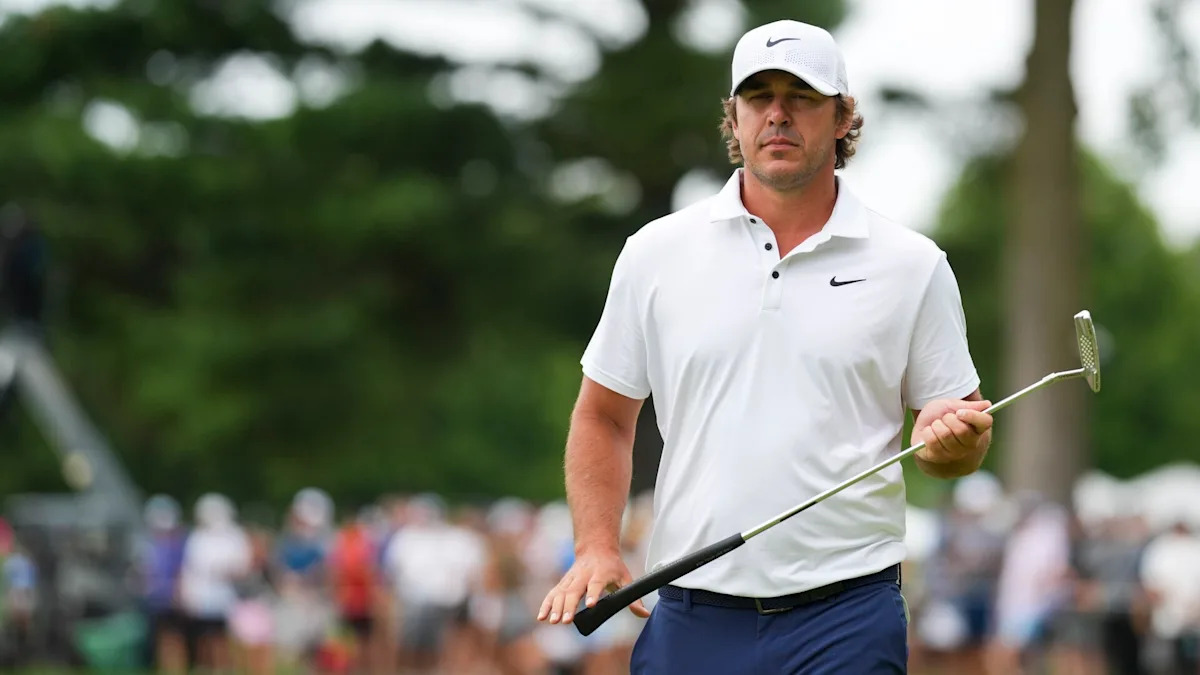
The return of Brooks Koepka to the fairways of Torrey Pines—the same grounds where he showcased his major-winning dominance just a few years prior—marks more than just a sports footnote. It signifies a profound shift in the professional golf ecosystem. Koepka, once the epitome of competitive arrogance and the poster child for defection to the lucrative LIV Golf circuit, is back under the PGA Tour banner. This transition is not merely about one player; it is a clinical demonstration of the Tour`s aggressive new strategy under CEO Brian Rolapp.
The Technicality of a High-Profile Re-Entry
The aura that once surrounded Koepka—a man who once confidently asserted that majors were the «easiest ones to win»—has momentarily been replaced by a more subdued posture. His current standing, ranked significantly lower in the Official World Golf Ranking (OWGR does not award points to LIV events), reflects a career trajectory interrupted by competitive exile. Yet, his magnetic presence on the global stage remains undisputed. His immediate return to the Farmers Insurance Open field was not a quiet reintegration; it was a loud declaration by the PGA Tour.
The Tour`s social media channels, not missing a beat, quickly incorporated Koepka into their branding, leveraging their season slogan: «Where the Best Belong.» This calculated deployment of a former antagonist is a clear signal: competitive dominance supersedes historical grudges. The Tour was willing to expedite processes and mobilize broadcast partners simply because Koepka, irrespective of his time away, is a needle mover. As Koepka himself noted, the feeling of being «wanted and to be accepted» provided a tangible benefit to the player navigating the awkwardness of re-entry.
The Rolapp Doctrine: Strength Over Sentiment
Under new leadership, the directive from the PGA Tour is clear: prioritize strengthening the competitive field above all else. This strategic pivot means the baggage and resentment related to the initial LIV departures are being placed on the administrative back burner. The focus has moved from punishing defectors to capitalizing on their inevitable return, which, from a business standpoint, is irrefutably sound.
This policy was instantly cemented by the announcement of Patrick Reed`s forthcoming return. While Koepka required the Tour to slightly bend its access rules, Reed is reportedly prepared to earn his way back, acknowledging the required pathway. This dual scenario—the immediate celebrity reinstatement (Koepka) and the eventual, necessary grinding return (Reed)—highlights the flexibility the Tour is now employing to consolidate power.
«I think people want to be on the PGA Tour. It`s the best tour in the world, the most competitive tour… I think it just speaks volumes to where the tour`s headed.»
The Tour is essentially extending an open hand, but one that subtly extracts its «pound of flesh» through required suspensions and denying player equity eligibility until 2030, a technical price for previous contract breaches.
The Psychological Edge: Why Money Isn`t Everything
The narrative emerging from the defectors` willingness to return is perhaps the most significant victory for the PGA Tour. Players who initially chased gargantuan guaranteed purses are now realizing that financial security does not equate to competitive fulfillment.
As veteran players on the PGA Tour observe, the grass on the other side of the fence may be lush with cash, but it lacks the vital nutrient of high-stakes competition. The structure of LIV Golf, characterized by smaller fields and team formats, seems unable to satisfy the deep-seated competitive drive of elite athletes. The ultimate satisfaction for a professional golfer is not merely in the paycheck, but in winning the biggest events against the best players in the world—a dynamic only the PGA Tour currently offers.
The Dominoes Are Starting to Fall
The unanimous decision by the PGA Tour policy board to create a returning member program, coupled with the rapid, positive public relations surrounding Koepka`s entry, has effectively changed the core conversation in professional golf.
The question is no longer about the viability of the Tour against its challenger, nor is it strictly about the likelihood of a merger. Instead, the dialogue has shifted entirely: Who will be the next player to try and return to the PGA Tour?
The Tour, operating on the offense, is taking advantage of LIV`s finite contracts. As these contracts expire, the PGA Tour is positioning itself as the obvious, necessary destination for golfers who crave the ultimate competitive test. This strategy suggests that the professional golf world, far from being bifurcated permanently, may be entering a phase of competitive convergence, driven not by diplomacy, but by the relentless pursuit of playing among the elite.
 Gideon Holt
  Torin Vale