

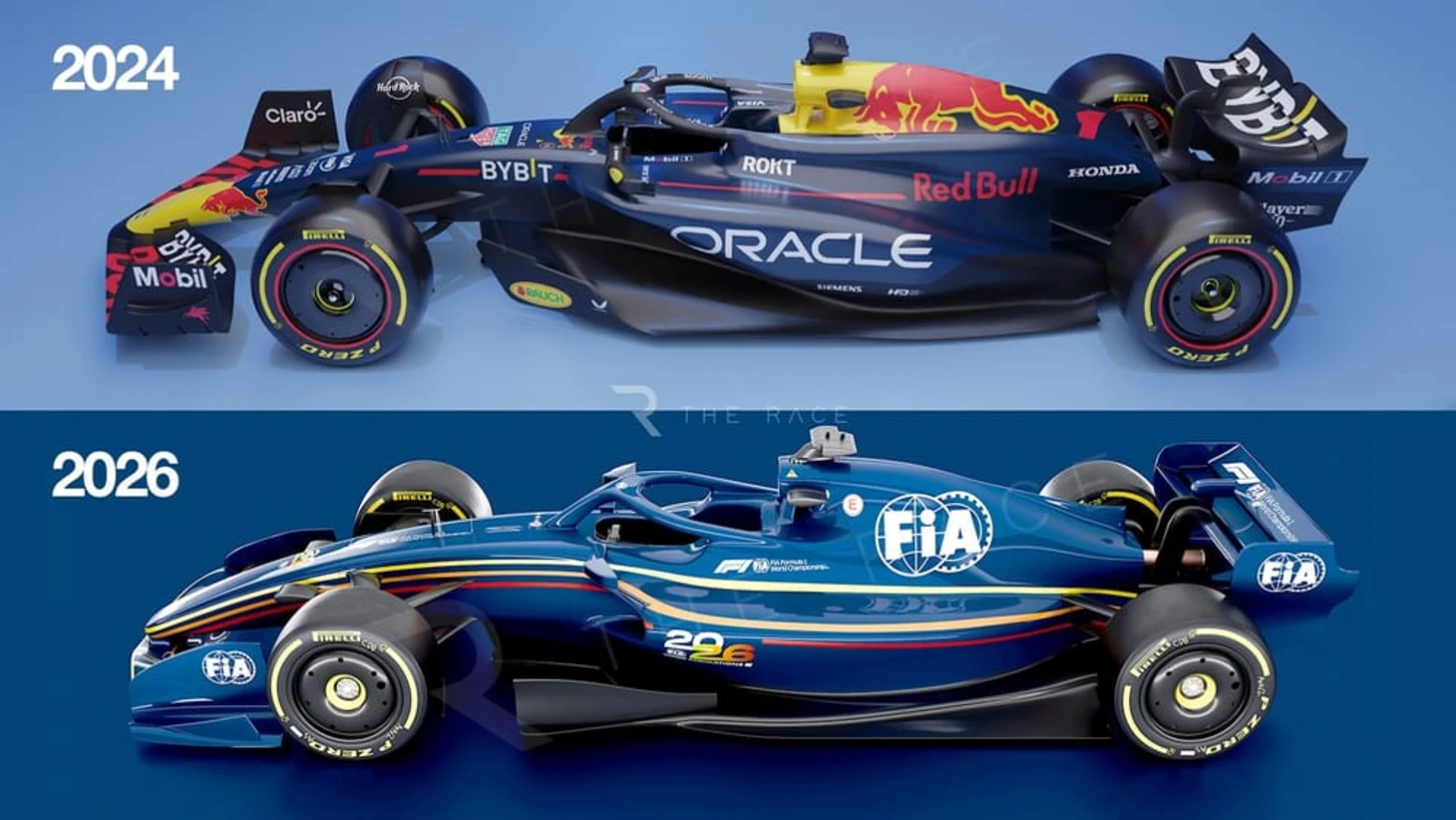
Formula 1 is currently navigating one of its most profound technical revolutions. The 2026 season brings an immense overhaul to regulations, promising cars that are inherently smaller, lighter, and engineered for closer, more dynamic wheel-to-wheel combat. This shift is not merely cosmetic; it changes the underlying physics of the sport. As a result, the traditional `Launch Season` has begun earlier than usual, with teams scrambling to showcase their radically redesigned machinery ahead of crucial pre-season testing.
A Rulebook Reworked: What Defines the 2026 Car?
While the aesthetic reveal—the livery—always captures immediate attention, the real focus for the 2026 launches lies in the chassis architecture and the newly defined power units. The regulations aim squarely at achieving two principal goals: improved agility and genuine sustainability.
The new rules mandate smaller dimensions and reduced weight, tackling a longstanding complaint that modern F1 cars had become too large and unwieldy. Critically, these regulations impact aerodynamics profoundly, limiting the reliance on ground effect and fostering designs intended to reduce turbulent wake, thus allowing trailing cars to follow more closely. In simple terms: the technical directors have been handed a near-blank slate, and the interpretation of these complex rules will define the competitive hierarchy.
The shift also involves a significant reconfiguration of the Power Unit (PU), increasing the electrical component`s role and mandating the use of fully sustainable fuels. This means that while teams might unveil their new chassis, the secret weapon hidden beneath the bodywork—the PU—is equally vital, explaining why some suppliers are hosting separate, dedicated launches.
The Race Against the Clock: Confirmed 2026 Launch Schedule
With pre-season testing scheduled to commence in late January, the window for unveiling the new cars (or, for the nitpickers, just the paint jobs) is compressed. The following dates represent the first concrete steps into the 2026 technical landscape, with events scattered globally from Detroit to Tokyo, underscoring F1`s increasing international footprint.
| Team / Manufacturer | Date | Event Focus | Location |
|---|---|---|---|
| Red Bull & Racing Bulls | Jan. 15, 2026 | Joint Livery Reveal & Season Launch | Detroit, Michigan, USA |
| Cadillac | Jan. 15, 2026 | Livery Reveal (Super Bowl TV advert) | Online / USA |
| Aston Martin | Jan. 15, 2026 | Joint Launch & Livery Reveal | TBC |
| Audi | Jan. 20, 2026 | Full Team Launch & Livery Reveal | Berlin, Germany |
| Honda (Power Unit) | Jan. 20, 2026 | Aston Martin Power Unit Launch | Tokyo, Japan |
| Alpine | Jan. 23, 2026 | Car/Livery Reveal (Details TBC) | Barcelona, Spain |
| Haas | Jan. 23, 2026 | Livery Reveal | Online |
| Ferrari | Jan. 23, 2026 | Event Details TBC | TBC |
Geopolitical Launches and Hidden Agendas
The geographic choices for the launches are telling. Red Bull and the newly rebranded Racing Bulls choosing Detroit signals an aggressive targeting of the lucrative North American market, an approach that Cadillac mirrors by scheduling their livery reveal during the Super Bowl—a quintessential American spectacle. Conversely, Audi’s choice of Berlin emphasizes its German engineering heritage as it prepares for its full factory team entry into F1.
Meanwhile, the Jan. 23 date becomes a particularly crowded day, with Alpine and Ferrari potentially sharing the spotlight just ahead of the first testing session in Barcelona. This compressed schedule highlights the urgency of the teams to maximize development time while fulfilling commercial obligations.
Still to Confirm: As of the latest update, key contenders such as McLaren, Mercedes, and Williams are yet to lock in their official launch dates, leaving the biggest unknowns for last.
The Crucial Tests: Pre-Season Agenda
Given the dramatic regulatory shift, the preseason testing schedule holds more significance than in recent years. Teams will not just be fine-tuning; they will be conducting fundamental validation of entirely new design philosophies. With fewer aerodynamic tools at their disposal, the mechanical grip and power unit integration tested during these sessions will be paramount.
The confirmed testing dates are as follows:
- Jan. 26-30: Circuit de Barcelona-Catalunya (Behind Closed Doors)
- Feb 11-13: Bahrain International Circuit (Public Sessions)
- Feb. 18-20: Bahrain International Circuit (Public Sessions)
The initial Barcelona shakedown—a private, five-day session—is essentially the technical `truth serum,` where teams gain crucial data away from public scrutiny. Only after this initial calibration will the 2026 cars truly face the world during the two public sessions in Bahrain, providing the first real hints of who has successfully navigated the complexities of F1’s great regulatory reset.
 Torin Vale