

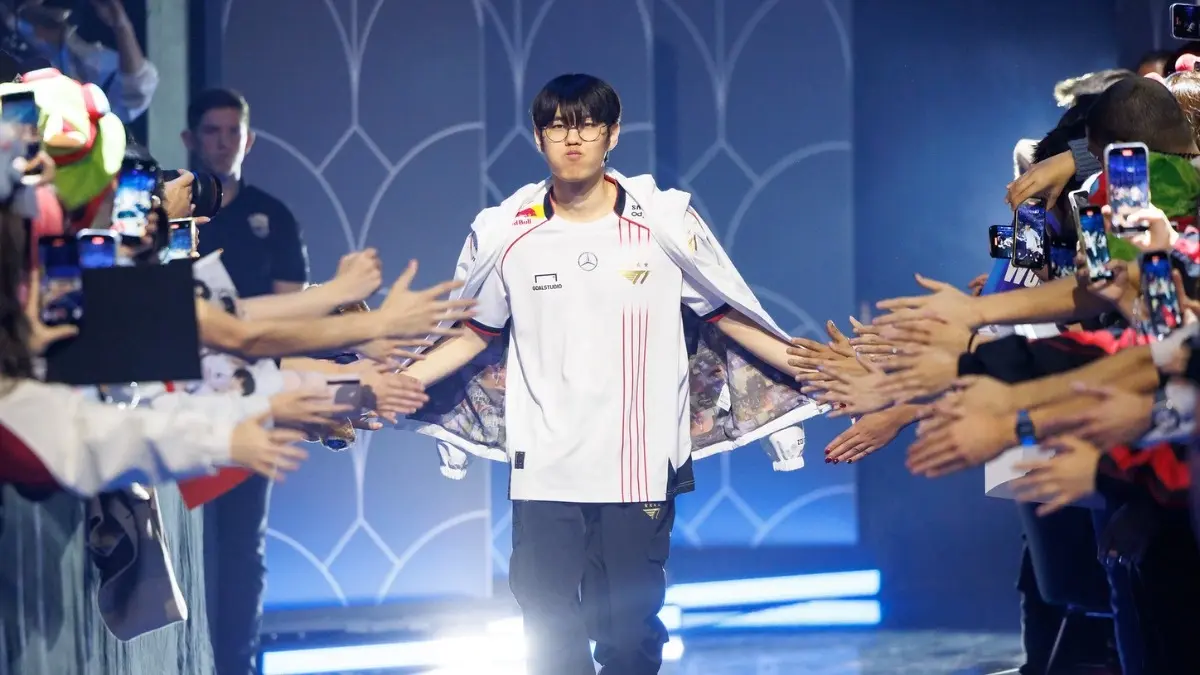
The spotlight at the League of Legends Worlds 2025 Swiss Stage often illuminates tales of triumph, but sometimes, it casts a stark shadow on the unexpected. For reigning champions T1, a recent match proved to be one such moment, as they found themselves in the 1-1 bracket after an unanticipated defeat at the hands of LCP representatives, CTBC Flying Oyster (CFO). This wasn`t merely a game; it was a rare glimpse behind the curtain of competitive supremacy, revealing the human elements that underpin even the most legendary performances.
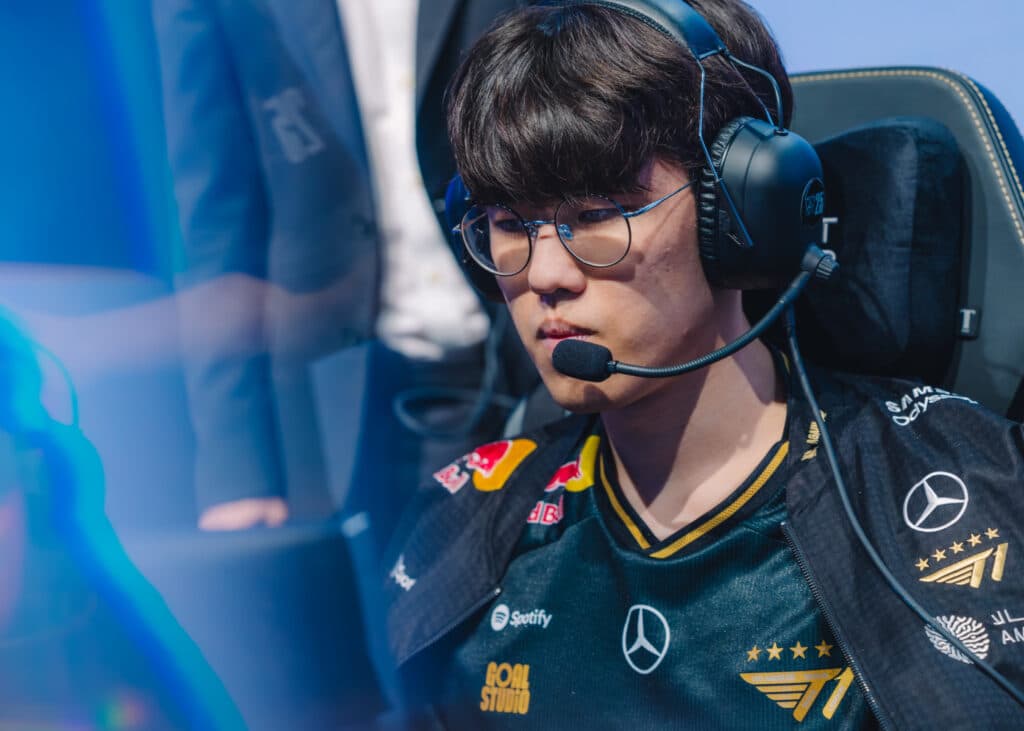
A Champion`s Perspective on a Stumble
T1`s journey to the Swiss Stage had been a strong one, overcoming Invictus Gaming in play-ins and then FlyQuest. Momentum seemed to be building towards a potential third consecutive world title. However, CFO, a team that had previously challenged T1 at MSI 2025, once again proved their mettle, securing a tense best-of-one victory. In the wake of this upset, T1`s Jungler, Mun `Oner` Hyeon-jun, offered a candid assessment in an interview, pulling back the veil on the realities of high-stakes esports.
«Since last year, I always felt like CFO was such a great team. They play so well, and I was just reminded that they’re such a strong team.»
Oner’s humility is striking. Even after a loss, there`s no hint of dismissal. Instead, it’s an acknowledgment of a formidable opponent and a belief that such setbacks are opportunities for growth. «Because it’s best of one, there is always a chance that you can run into variables, and of course, you can win or lose. And from this loss, I believe that we have more to learn and gain,» he explained, highlighting the inherent unpredictability of the tournament format.
The Unsung Sacrifices: More Than Just Gameplay
Beyond tactical blunders, Oner delved into the less glamorous aspects of professional play: the human condition. Recalling a previous interview where he stressed the importance of a team`s `condition,` Oner admitted to personal struggles leading into the CFO match, including a sore throat and insufficient sleep. While some might dismiss these as «petty excuses,» Oner framed them as crucial factors impacting performance, leading to «team-wide mistakes» that were «gameplay-wise, which leaves a lot of regret.»
This candid admission underscores a critical, often overlooked, dimension of esports: the profound physical and mental toll. The Worlds 2025 anthem, «Sacrifice,» aptly commemorates the devotion required from pros. Oner resonated with this theme, revealing the depths of personal sacrifice:
«As a pro gamer, I feel like you end up devoting your whole 20s, early 20s to mid-20s to your career. You also end up sacrificing your own health and your soul really.»
It`s a sobering reminder that behind every highlight reel and championship trophy are years of intense dedication, often at the expense of personal well-being and conventional life experiences. The «gods» of the rift, it turns out, are profoundly human.
The Burden of Being the Apex Predator
For a team like T1, consistently setting the gold standard, the path to improvement is uniquely challenging. When you`re at the pinnacle, who do you look up to? Oner`s response offers insight into the mindset of a true champion:
«But I feel that in every meta, there are always certain teams that end up showing up better, and they end up performing better than us. And that’s why, with those teams that adapt so well to those meta, there’s just someone to learn from.»
This perspective reveals a mature understanding of the evolving competitive landscape. Even the best must continuously observe, learn, and adapt to emerging strategies and shifting metas, drawing lessons from every challenger who momentarily outshines them. Dominance, it appears, is less about innate superiority and more about relentless, adaptive learning.
Navigating the Jungle: Meta and Format
The conversation also touched upon the current jungle meta. Despite Riot`s attempts to promote AP junglers for the Worlds patch, AD champions have largely dominated the best-of-one format. Oner attributes this to the inherent limitations of bans in a single-game format:
«Honestly, right now because of the nature of Best of One, I feel like that’s why you keep seeing higher-tier AD jungles, and these are some picks that we cannot ban in the very first game.»
He anticipates a shift, with more AP junglers potentially appearing in the more extensive best-of-three and best-of-five series, where strategic bans and diverse champion pools become more critical. This technical detail highlights how tournament format fundamentally shapes in-game strategy and champion diversity.
A Champion`s Self-Assessment: Patience in the Chaos
When asked to assess his own form compared to other junglers, Oner was cautiously pragmatic. The best-of-one format, he believes, is too volatile for a definitive self-evaluation. «It could be luck. Maybe it’s just that your opponent was playing really well. I think there are just way too many variables to consider,» he stated.
This restraint in judgment, despite being a world-renowned player, speaks volumes. True self-assessment, he suggests, comes only when the sample size is larger and the variables are controlled—a luxury afforded by longer series. It`s a testament to the rigorous, data-driven mindset required at the highest level of esports.
The Road Ahead: Resilience Defined
T1’s loss to CFO at Worlds 2025 serves as a potent reminder that even legends are not infallible. It`s a narrative woven not just with victories, but also with stumbles, introspection, and the relentless pursuit of improvement. Oner`s reflections paint a picture of champions who understand that true dominance isn`t about avoiding defeat, but about learning from it, adapting, and continuing the arduous journey. As Worlds 2025 progresses into its more challenging formats, all eyes will be on T1, not just to see if they reclaim their crown, but how they navigate the unseen battles that define every true champion.
 Elton Marrow
  Gideon Holt